
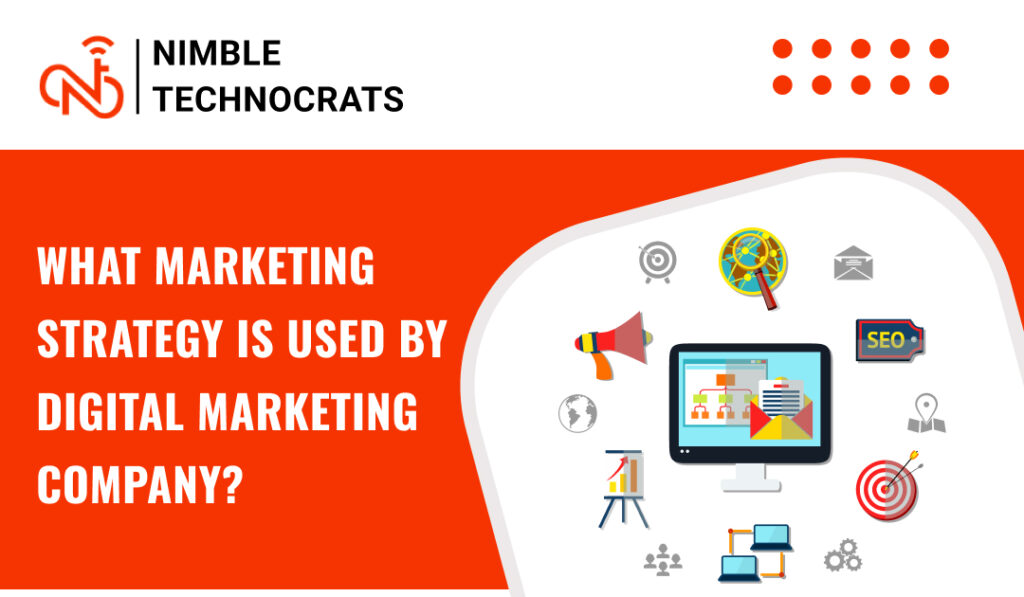
What Marketing Strategy is Used by Digital Marketing Company?
A digital marketing strategy is a plan to increase the online visibility of a company through various online channels to increase sales of the products of the company. The best digital marketing company aims to create a strategy to help businesses grow. The blog post will share the basics of digital marketing along with an online marketing strategy to boost the growth of a business.
What is a Digital Marketing Strategy?
A digital marketing strategy is a plan to use different online channels to increase the online visibility of a company. Basically, it looks at various factors such as strengths, target audience, competitors, and weaknesses. To create an effective strategy, digital marketing experts understand the business first and use the data across the business to speculate and inform. This helps digital marketers establish which marketing channels would be best to use and how to spread awareness regarding your business products.
Ways to Promote Your Business Products or Services Using Digital Marketing
The digital marketing strategy you use depends on business needs and goals, for instance, to build brand awareness or grow leads. Jalandhar IT Companies that offer digital marketing services ensure to match digital marketing strategy with your brand. Now, let’s look at different ways to promote your business products or services:
Social Media Marketing (SMM)
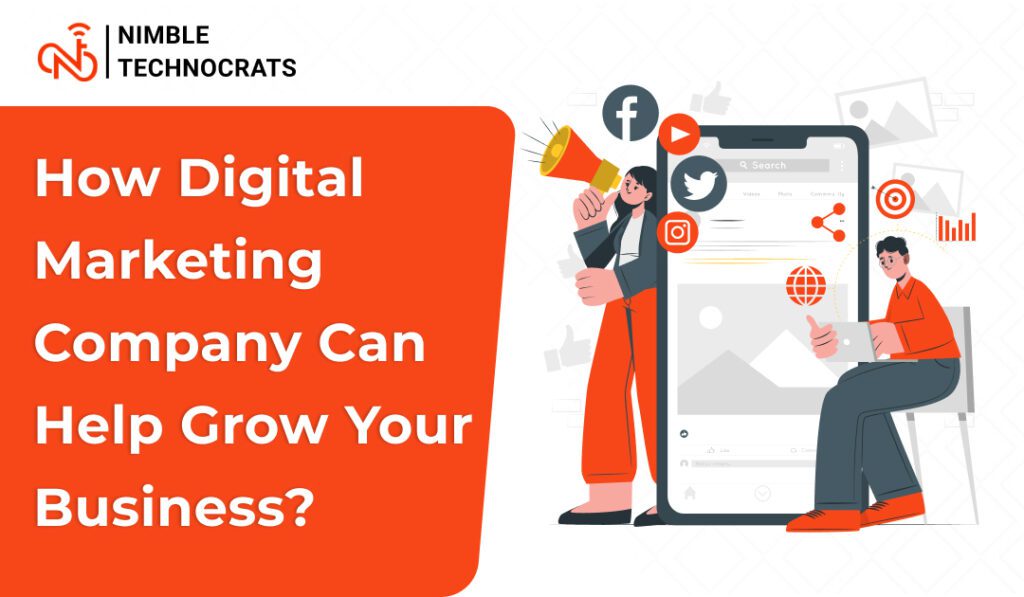
Social media marketing is one of the most effective ways to reach your target audience across the globe. While you use social media to promote your brand, it can also allow you to engage with your target audience to grow brand awareness. You can use Facebook, Instagram, LinkedIn, Pinterest, to name a few. Being the best IT Company in Jalandhar, we ensure to offer every IT solution to meet your business needs.
Search Engine Optimization (SEO)
Search engine optimization is another digital marketing strategy that can make your brand, services or products more visible online. SEO aims to optimize content – whether it’s a landing page, home page or blog – so it appears in the search engine result pages. There are a few things that should be considered in SEO:
- On-page SEO
- Off-page SEO
- Meta descriptions
- Backlinks
- Image optimization
- Content optimization
Pay-Per-Click Advertising
PPC advertising is effective in driving traffic to your website. PPC ads appear at the top of SERPs and show ads based on specific keywords. PPC allows businesses to target their audience depending on interests, demographics, and search intent. It offers instant visibility and allows businesses to control their budget by paying when a user clicks on their ad. For PPC advertising, you can receive help from the best digital marketing company in Jalandhar.
Video Marketing
With video marketing, your company can grow its revenue, and reach and expand its operations. Your business should focus on creating informative content using YouTube for its target audience. The following are a few types of marketing videos:
- announcement video
- product launch video
- instructional video
- event videos, etc.
Content Marketing
High-quality content helps businesses build trust, establish authority and drive traffic to their websites. To use content marketing strategy effectively, businesses must focus on creating engaging and valuable content that identifies their audience’s needs. It can include videos, blog posts, ebooks, infographics, and more. By producing content consistently, businesses can engage, attract and convert their target audience. Nimble Technocrats is the best IT Company in Jalandhar that offers content marketing solutions for businesses.
Email Marketing
Email marketing helps build customer relationships and drive conversions. By creating an email list of interest subscribers, businesses can communicate with their target audience directly, provide informative content and promote their products or services. To get the most out of email marketing, it is essential to create personalized email campaigns. You can segment your target audience depending on their behaviours and customize your email content accordingly. By building trust, and providing value and relevant offers, email marketing can be an effective method for driving sales.
Conclusion
Digital marketing is an effective way to boost conversion rates and achieve business goals. Whether you are looking to maximize revenue, and sales, build trust, or boost brand awareness, digital marketing is the best solution. You can choose Nimble Technocrats as we offer the best digital marketing services.
What Marketing Strategy is Used by Digital Marketing Company? Read More »